
Peripheral Artery Disease Treatment in El Paso
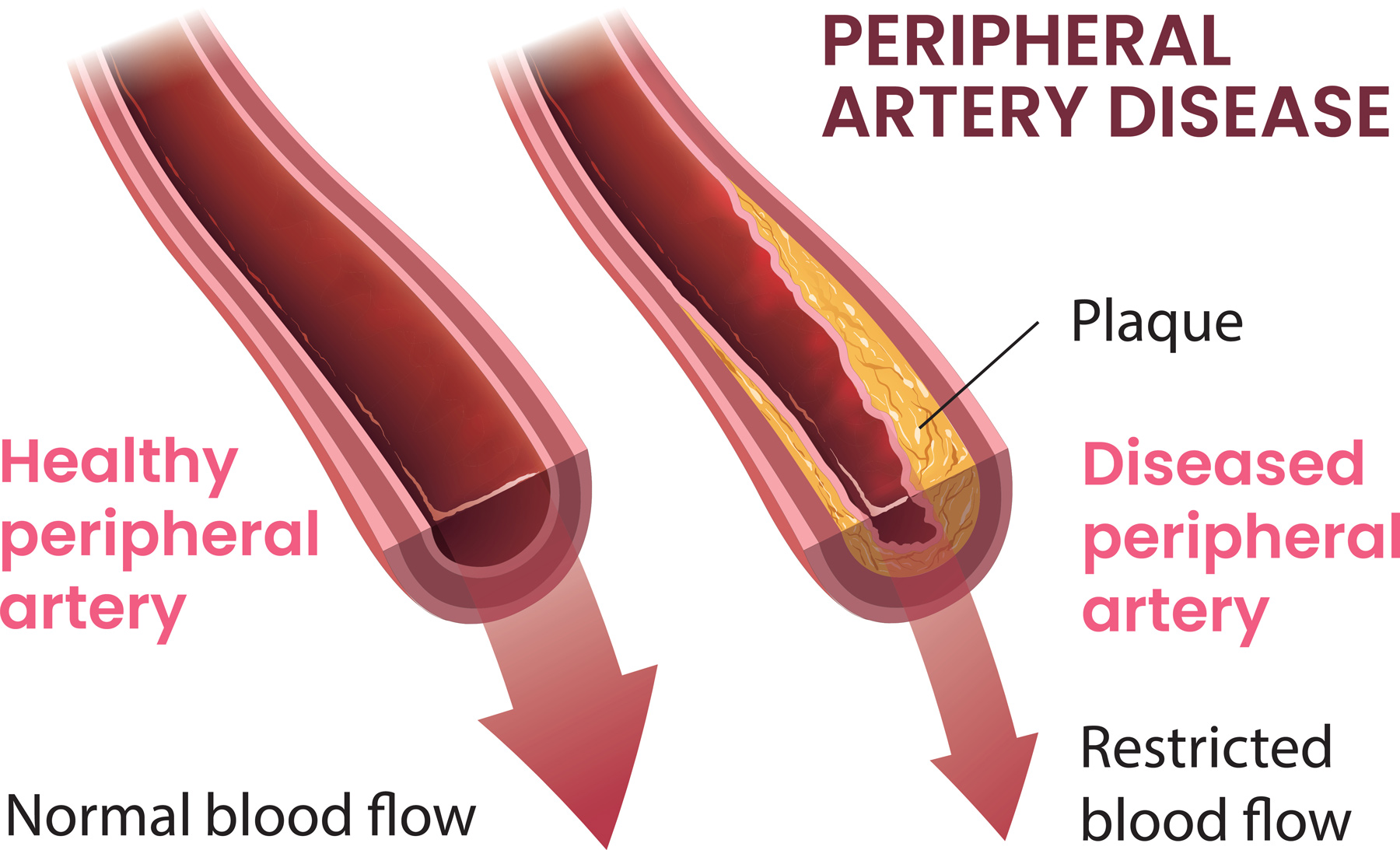
Peripheral Artery Disease (PAD) is a common vascular condition in which the arteries that supply blood to your legs become narrowed or blocked. This restriction limits blood flow, which can lead to pain, difficulty walking, slow healing wounds, and, in advanced cases, serious complications such as tissue damage or limb loss.
At Piccadilly Vascular Vein & Heart Center, we provide expert evaluation and personalized treatment for PAD with the goal of improving circulation, reducing symptoms, and preventing severe outcomes. Call us at (915) 615-7155 at the first sign of symptoms.
What Causes Peripheral Artery Disease?
PAD occurs when fatty deposits (plaque) build up inside the arteries. This process, known as atherosclerosis, narrows the blood vessels and reduces blood flow to the lower extremities. Some external factors that can increase the likelihood of PAD include:
- Smoking or tobacco use
- Diabetes
- High blood pressure and high cholesterol
- Being age 60 or over
Although PAD can affect arteries anywhere in the body, it most commonly affects the legs and feet. Reduced blood flow to these areas means tissues don’t receive enough oxygen and nutrients, which can cause pain, impaired healing, and other symptoms.
Symptoms of PAD
Some people with PAD have no symptoms at all, while others experience discomfort that progressively limits activity. Common signs of Peripheral Artery Disease include:
- Leg pain, cramping, or heaviness when walking (often relieved with rest)
- Numbness, weakness, or tingling in the legs
- Coldness or color change (pale, blue, or shiny skin) in the feet or legs
- Slow-healing sores or ulcers on legs or feet
- Decreased or weak pulses in the legs or feet
Peripheral Artery Disease Treatment Options
Early detection and treatment is vital when it comes to PAD. At Piccadilly Vascular Vein & Heart Center, we offer a range of PAD treatment options that are individualized based on your symptom severity and circulation needs. Here are some common approaches aimed at restoring blood flow, reducing pain, and preventing complications:
- Lifestyle Changes
-
- Walking programs and supervised exercise to improve circulation
- Smoking cessation support
- Healthy diet, weight management, and blood sugar control
- Medications
-
- Lower cholesterol and reduce plaque buildup
- Control high blood pressure and diabetes
- Prevent blood clots
- Relieve symptoms like leg pain
- Minimally Invasive Procedures
-
- Angioplasty and stent placement to open narrowed arteries
- Bypass surgery in select cases to reroute blood around a blockage
- Thrombolytic therapy to dissolve blood clots when present
Frequently Asked Questions about PAD
What is the best treatment for PAD?
The best treatment depends on severity but often includes lifestyle changes, medications, and procedures to restore blood flow when needed.
How is Peripheral Artery Disease treated non-surgically?
Non-surgical treatment includes walking programs, quitting smoking, managing diabetes and cholesterol, and medications to improve circulation.
What procedures are used for PAD?
Common procedures include angioplasty, stent placement and, in severe cases, bypass surgery to improve blood flow in the legs.
Is PAD the same as poor circulation?
PAD is a major cause of poor circulation, especially in the legs, where narrowed arteries limit blood flow.
What does PAD pain feel like?
PAD often feels like pain, cramping, or heaviness in the calves, thighs, feet, or buttocks during activity and typically improves with rest.
Can PAD cause wounds that won’t heal?
Yes. Restricted blood flow from PAD can prevent wounds from getting enough oxygen, slowing healing and increasing complications.
Is PAD serious?
Yes. PAD is a sign of systemic vascular disease that increases risk for heart attack, stroke, and limb-threatening complications if untreated.
Can lifestyle changes help PAD?
Yes. Exercise, quitting smoking, healthy eating, and managing chronic conditions can slow progression and improve symptoms.
Schedule Your PAD Evaluation Today
If you experience leg pain with walking, cold or numb feet, slow-healing wounds, or other circulation symptoms, don’t wait. Piccadilly Vascular Vein & Heart Center specializes in PAD diagnosis and treatment to improve your circulation and protect your mobility. Contact our office in El Paso today.